
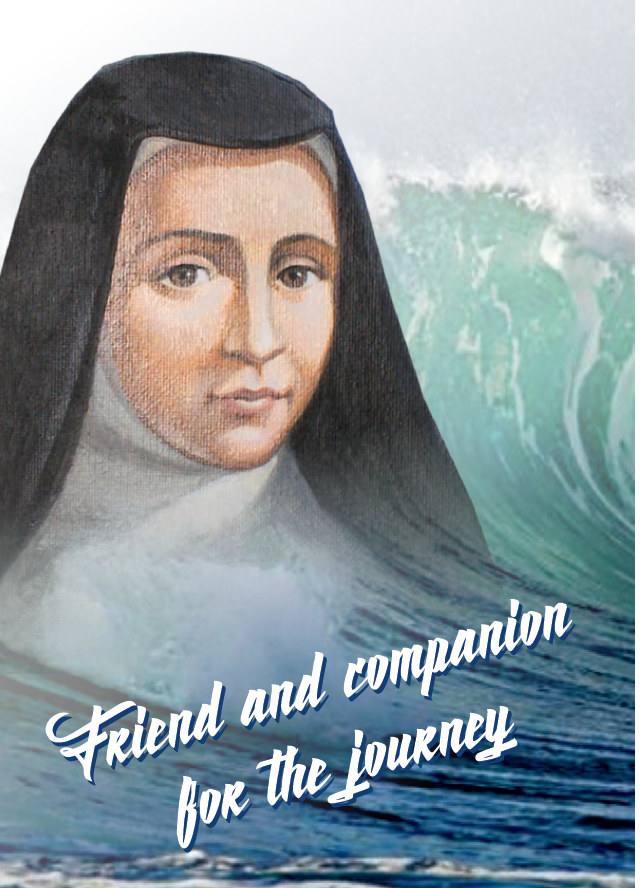
María Antonia París nace el 28 de junio de 1813 en Vallmoll (Tarragona), España. Su infancia y juventud transcurren en Tarragona, en la casa de la familia. Su vocación religiosa nació en la adolescencia, durante una misión.
En 1841 ingresa en la Compañía de María, en Tarragona, como postulante. Como tal, permanece nueve años, debido a la prohibición civil de la época que impedía admitir novicias.
En 1842, Dios comienza a manifestarle la obra que deseaba llevar a cabo por su medio. En 1850, conoce a Antonio María Claret, sacerdote misionero, a quien le desvela el anhelo de fundar una nueva orden destinada a la misión apostólica.
En 1851 deja la Compañía de María y, junto a un grupo de jóvenes que se le había unido, hacen voto de no separarse y cruzar los mares si Dios así lo quiere. Llamada por Antonio María Claret, entonces arzobispo de Santiago de Cuba, se embarca con sus compañeras en 1852, para llevar a término junto con él, la obra inspirada por Dios. Al año siguiente comienza a funcionar en Santiago de Cuba la escuela de niñas pobres.
Un gran ideal las impulsa: “vivir con fidelidad los consejos evangélicos y
trabajar para enseñar a toda criatura el Evangelio, la ley del Señor”.
El 25 de agosto de 1855, el arzobispo Claret firma el Decreto de Fundación del Instituto Apostólico de la Inmaculada Concepción de María, nombre que, con el tiempo, se convertirá en Religiosas de María Inmaculada Misioneras Claretianas.
La vivencia de la pobreza evangélica y la predicación del Reino de Dios, son puntos esenciales de este Instituto para contribuir a la renovación de la Iglesia.
En 1859 María Antonia regresa a España, funda otras casas y, finalmente, muere el 17 de enero de 1885, en Reus. En este lugar se halla su tumba. Su fama de santidad se extiende por el mundo. Son muchas las personas que la invocan pidiendo el favor y la gracia de Dios por su intercesión.